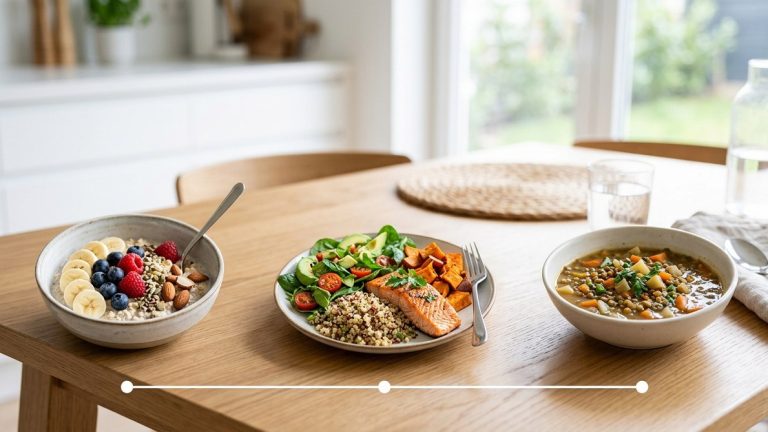
If you have ever felt sluggish in the afternoon, sleep deprived after late dinners, or surprised by how your mood shifts with your eating hours, you are not alone. Meal timing is a growing focus in wellness circles because when you eat can be just as important as what you eat. From circadian rhythms to gut health, aligning your meals with your body clock can support steady energy, better sleep, healthier blood sugar, and even a more resilient metabolism. At WellNourished Me, we love turning science into practical tips you can use in your daily life, whether you are fueling for a run, planning family meals, or enjoying a comforting bowl like tahini quinoa with zucchini stir fry. Let us walk through what current science says, how it applies to real life, and how you can tailor timing strategies to your schedule.
The Biological Clock and Meal Timing
Our bodies run on a roughly 24 hour cycle known as the circadian clock. This internal timing system coordinates when we should feel awake, hungry, and ready to rest. Food intake acts as a powerful cue that can shift these rhythms, which means that timing is not just a matter of convenience but a driver of metabolic health.
Daily Eating Duration
- The length of your daily eating window matters. Some people naturally trend toward shorter eating periods (for example, 8–10 hours) and extended fasting periods (14–16 hours) overnight.
- Shorter windows can improve insulin sensitivity, support fat burning, and align with your body clock if you have a daytime schedule.
Phase of the Daily Eating Interval
- Not just how long you eat, but when you start and end matters. Front loading meals earlier in the day aligns with our ancestral patterns and daylight activity, while late night eating can misalign clocks and disrupt sleep.
- Early time restricted eating (eTRE) can sync with daylight, whereas evening heavy meals may dampen overnight metabolic processes.
Calorie Distribution within the Eating Window
- When you spread calories across the day can influence post meal glucose responses and fat storage.
- A common pattern is larger energy intake earlier in the day with smaller snacks toward the evening, though individual preferences and work schedules may require flexibility.
Regularity of Eating
- Consistency matters. Regular meal times help stabilize hormones like ghrelin and leptin that govern hunger and satiety.
- Irregular patterns, frequent night eating, or skipping meals can lead to energy crashes and increased cravings later in the day.
What is the Best Eating Pattern
There is no one size fits all. The best eating pattern balances the science with your lifestyle, health goals, and personal preferences.
- Time Restricted Eating (TRE) or Intermittent Fasting: Eating within a defined window each day, such as 8 hours eating and 16 hours fasting.
- Early Day Eating: Emphasizing bigger meals earlier in the day and tapering toward the evening.
- Regular Balanced Meals: Spacing meals every 3–5 hours to maintain steady energy without intense fasting periods.
Key considerations:
– Sleep quality: If late meals disrupt sleep, adjust timing or meal size.
– Physical activity: Training sessions may require carbohydrate timing around workouts.
– Medical conditions: Diabetes or shift work may require tailored approaches under professional guidance.
Cautions
- FASTING DURATION: Very long fasting windows can lead to overeating later or nutrient gaps if not planned.
- MEDICATION TIMING: Some medicines should be taken with meals or at specific times.
- SOCIAL LIFE: Social meals can be a source of stress regarding timing; the goal is sustainable patterns, not rigid perfection.
- CHILDREN AND ADOLESCENTS: Their energy needs and schedules differ; consult a pediatric nutritionist when applicable.
How Meal Timing Influences Energy, Sleep, and Metabolism
Meal timing can influence several aspects of health beyond just calories.
- Energy and mood: Regular meals help maintain blood sugar and steady energy; skipping meals can lead to crashes or irritability.
- Sleep quality: Heavy meals late in the evening can interfere with sleep onset and depth.
- Metabolic health: Aligning eating with circadian rhythms can improve insulin sensitivity and lipid metabolism for many people.
- Gut health: Meal timing interacts with gut motility and the microbiome; consistent rhythms can support gut comfort and digestion.
TRE and Fasting: A Practical Path to Meal Timing
Time Restricted Eating (TRE) is a popular approach that centers on a daily eating window rather than the total number of calories.
What is Time Restricted Eating
- TRE means you confine all daily calories to a specific window, such as 8 hours, and fast for the remaining 16 hours.
- It is not a diet in the classic sense but a pattern of eating and fasting.
How to Start TRE in 4 Steps
1) Pick a window that fits your life: 8 am to 4 pm or 10 am to 6 pm are common starting points.
2) Plan what you will eat in that window: Aim for balanced meals with protein, healthy fats, and complex carbohydrates.
3) Taper caffeine and alcohol timing: Try to avoid caffeine late in the day and limit alcohol to avoid sleep disruption.
4) Listen to your body: If you feel faint or unusually weak, adjust the window or meal sizes.
Common Pitfalls
- Overeating during the window: It is not a license to binge.
- Inconsistent window: Shifting times can reduce adaptation benefits.
- Ignoring hydration: Water and non caloric beverages help during fasting hours.
- Not balancing meals: Ensure each meal contains protein, fiber, and healthy fats.
Meal Timing for Different Lifestyles
Eating patterns are most sustainable when they fit life demands.
For Shift Workers
- Use a consistent eating window during your wakeful hours, recognizing that days may be misaligned with conventional daylight.
- Focus on nutrient-dense meals and snacks to support energy during night shifts.
- Prioritize sleep hygiene and create a dark, quiet bed environment when you can.
For Runners and Athletes
- Time carbohydrates around workouts to maximize performance and recovery.
- If long runs occur early, consider a light pre workout snack and a larger post workout meal within your eating window.
- Hydration and electrolytes remain important; timing matters less than meeting daily needs.
For Busy Families
- Plan quick nutritious meals that can be eaten within your window, such as tahini quinoa bowls or zucchini stir fries.
- Keep a rotation of 2 quick dinners that can be swapped into a later window if schedules shift.
- Use batch cooking to maintain consistent meal times even on hectic days.
The Gut Microbiome and Meal Timing
The gut microbiome follows its own daily rhythms. Food timing can influence which microbial communities thrive and how they interact with our metabolism.
Microbiota and Circadian Rhythms
- Microbes have their own clock that can be synchronized by feeding patterns.
- Irregular eating can disrupt microbial rhythms, potentially affecting digestion and inflammation.
How to Support Gut Health with Timing
- Maintain a regular eating schedule as much as possible.
- Include fiber rich foods in your meals to nourish beneficial microbes.
- Avoid large meals late at night which can stress the gut and disrupt sleep.
Recipes like a tahini quinoa bowl or a zucchini stir fry can be integrated into a daily eating window to support gut health and overall wellness.
Meal Timing in Later Life
As we age, eating patterns can shift, and those shifts can impact health outcomes.
- Older adults may experience changes in appetite, activity, and sleep which influence meal timing.
- Maintaining regular meals and a stable eating window can support metabolic health and longevity.
- Social meals and routines remain important; flexibility is key to sustainable patterns.
Practical Tools and Resources
- Audit your current eating times for a week and note the length of your eating window.
- Create a simple 2 week TRE plan with beginner goals.
- Use a meal prep routine to ensure balanced meals within your window.
- Track sleep quality and energy to see how timing affects you personally.
- Consider a guided plan or consult a registered dietitian for personalized timing strategies.
Putting It All Together: A Practical Week with Thoughtful Timing
- Monday: 8 am to 4 pm eating window. Big breakfast, mid day lunch, light dinner.
- Tuesday: 9 am to 5 pm window, allow slightly later start due to activity.
- Wednesday: 7 am to 3 pm window with a heavier breakfast to power a morning run.
- Thursday: 10 am to 6 pm window and a longer evening wind down routine to improve sleep.
- Friday: 8 am to 4 pm window with social dinner, planning lighter meals earlier.
- Saturday and Sunday: Aim for a consistent window but allow flexible adjustments for social events.
Meal ideas within these windows include comforting, nutrient dense options like a tahini quinoa bowl or a zucchini stir fry. These recipes are not only tasty but also lend themselves to balanced macro profiles that fit within common TRE windows.
FAQs About Meal Timing
1) Does eating more often improve metabolism?
– Frequency plays a role, but total daily intake and meal quality are also critical. Some people do well with 3 meals, others with 4 or 5 smaller meals.
2) Can I drink water during fasting hours?
– Yes, water, black coffee, and unsweetened tea are typically allowed during fasting hours and can help with appetite control.
3) Is TRE safe for everyone?
– TRE is generally safe for many healthy adults but those with diabetes, pregnancy, or certain medical conditions should consult a healthcare professional before starting.
4) How quickly do benefits of meal timing appear?
– Some benefits like improved sleep or more stable energy can appear within days to weeks. Other benefits like insulin sensitivity may take several weeks to months.
Real World Stories from WellNourished Me Readers
- A morning runner adjusted breakfast timing to fuel performance and found more consistent energy during long runs.
- A busy parent adopted an 8 hour eating window and noticed improved sleep quality and better appetite control.
- An office worker experimented with slightly earlier meals and reported steadier mood and fewer energy crashes.
Conclusion
Meal timing is a powerful, practical lever for health. It complements what you eat with when you eat, aligning patterns with your body’s natural rhythms. Whether you are pursuing improved energy, better sleep, optimized metabolism, or simple consistency in your daily routine, thoughtful timing can make a meaningful difference. Try starting with a modest window, such as 10 am to 6 pm, and adjust based on how you feel. Remember that sustainable change comes from small, steady steps that fit your life.
As you experiment, mix and match strategies that work for you. Build meals that please your senses and nourish your gut, like a creamy tahini quinoa bowl that provides both protein and fiber, or a zucchini stir fry that keeps things light yet satisfying. At WellNourished Me we will continue to bring you accessible science and practical tips to support a happier, healthier you.