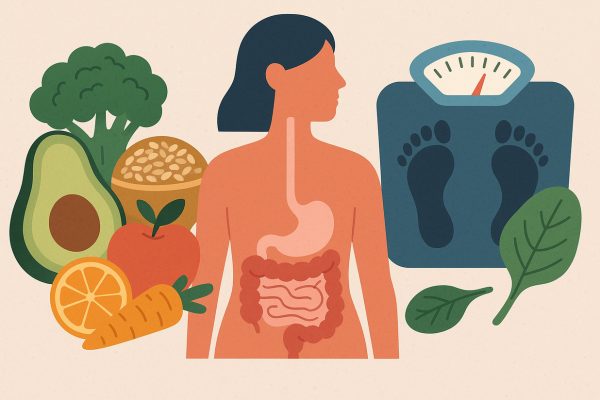
From the first stride to the last cooldown, what you put in your body fuels every step. At Well Nourished Me, we believe thoughtful nutrition for runners is about balancing energy, recovery, gut health, and enjoyment. This guide brings together evidence based strategies with practical tips you can apply this week. Whether you are logging short runs or chasing a marathon, the right fueling plan lifts endurance, speeds recovery, and keeps you feeling good in daily life too.
Why good nutrition matters for runners
Fueling well is not just about chopping calories or chasing race day dreams. It supports every facet of running performance.
- Sustains energy for sustained effort: Carbs are the main fuel for higher intensity efforts and longer runs.
- Improves recovery: Protein repairs muscle fibers and fats support long term health and hormonal balance.
- Maintains gut health: A calm gut makes fueling during runs easier and reduces symptoms like bloating or cramps.
- Supports mood and focus: Proper nutrition can stabilize energy crashes and improve pacing.
- Helps prevent injuries: Adequate nutrients help bones, tendons, and muscles stay resilient.
If you feel fatigued between workouts or your stomach gets unsettled during runs, your nutrition plan deserves a closer look. The goal is simple: eat enough to train hard, recover fast, and enjoy your running.
Carbohydrates for runners
Carbohydrates power workouts, especially tempo runs, intervals, and long runs. They replenish muscle glycogen stores and support brain function during exertion.
Why carbs matter
- They provide quick energy for high intensity efforts.
- They spare protein from being used as fuel, protecting muscle mass.
- They support endurance by delaying fatigue.
Choosing the right carbs
- Focus on complex carbs most of the time: oats, quinoa, rice, whole grain breads, fruits, vegetables.
- Include some simple carbs around workouts for quick energy: ripe bananas, applesauce, dates.
- Prioritize fiber gradual introduction to avoid GI distress during runs.
Timing carbs around workouts
- Pre workout: 1 to 4 hours before a run, aim for 1 to 4 grams of carbs per kilogram of body weight depending on duration and intensity.
- During long runs (60 minutes or more): consider small amounts of easily digestible carbs every 20 to 45 minutes.
- Post workout: replete with carbs within 30 to 60 minutes to jumpstart glycogen restoration.
Sample quick carb ideas
– Breakfast run (short): a bagel with peanut butter and a banana.
– Midday run (long): a bowl of yogurt with fruit and granola.
– Evening run (even longer): rice with vegetables and chickpeas.
Protein and fats for runners
Protein supports muscle repair and adaptation, while healthy fats supply long lasting energy and anti inflammatory benefits.
Protein needs and timing
- Aim for roughly 1.2 to 1.8 grams of protein per kilogram of body weight daily, depending on training load and goals.
- Distribute protein evenly across meals and include a protein source in post run meals or snacks.
- Good sources: lean meats, dairy, eggs, legumes, tofu, tempeh, fish, and nuts.
Healthy fats to include
- Emphasize unsaturated fats from olive oil, avocado, nuts, and seeds.
- Don’t fear fats; they provide energy, help transport fat soluble vitamins, and support hormones.
- Omega 3 fats from fatty fish (salmon, sardines) or flaxseed and chia contribute to inflammation control and heart health.
Practical tips
- Build meals around a lean protein source plus carbohydrates and vegetables.
- Snack smart with nuts, cheese, yogurt, or hummus and veggie sticks.
- Include a small amount of fat in most meals to support long lasting energy.
Hydration and electrolytes
Hydration is a cornerstone of performance and recovery. Sweat losses vary widely among individuals and even by day.
Hydration basics
- Start hydrated before you run by drinking fluids consistently throughout the day.
- Monitor urine color as a simple proxy: pale straw color generally indicates good hydration.
- Hydration needs increase with heat and humidity or longer, more intense workouts.
Electrolytes and salt
- Sodium is the main electrolyte of concern for runners, especially during long runs or heat.
- For durations longer than 60 minutes or in hot conditions, include salt or a salty snack during the workout.
- Balance fluid intake with electrolytes to avoid stomach upset.
Practical hydration plan
- Pre run: 1 to 3 cups of water or a small beverage with electrolytes 1 to 2 hours before.
- During run: sip small amounts regularly; consider a sports drink or electrolyte tablets for longer runs.
- Post run: rehydrate with a mix of water and electrolytes and add a protein source to kick recovery.
Pre run fueling
Fueling before you run sets the stage for the pace and comfort you want to feel on the road or trail.
How to plan pre run meals
- For short runs under 45 minutes: a small snack 30 to 60 minutes before can help, such as a banana or a small granola bar.
- For longer workouts: a bigger meal 2 to 4 hours before with carbs and some protein, for example oatmeal with fruit and yogurt or rice with vegetables and chicken.
- If you run first thing in the morning, you may prefer a light snack like toast with jam or a smoothie.
Common mistakes to avoid
- Overloading on high fat or fiber right before a run, which can cause GI distress.
- Waiting too long to refuel after waking up or after finishing a workout.
Quick pre run ideas
- Oatmeal with berries and a drizzle of honey.
- Rice cake topped with almond butter and sliced banana.
- A smoothie with yogurt, fruit, and a small handful of oats.
During the run fueling
Long runs and hard sessions often require ongoing fueling to maintain energy, protect stomach comfort, and minimize fatigue.
Fuel options by duration
- Under 60 minutes: water is often enough; a small carb source can help if you feel energy dips.
- 60 to 90 minutes: consider a gel, chews, or a small banana every 20 to 30 minutes.
- 90 minutes or longer: include a mix of fluids with electrolytes and substantial carbs such as sports drinks, gels, or even real foods like pretzels or raisins.
Real food versus gels
- Real food like dates, bananas, pretzels, or small sandwiches can be effective if you tolerate them well.
- Gels and chews are convenient and easy to dose; practice during training to find what agrees with your gut.
Practical fueling plan templates
- Short run template: water + a small carb snack at mid run if energy dips occur.
- Moderate run template: every 25 minutes, a small amount of carbs plus sips of fluids.
- Long run template: hydration plan with electrolytes every 15 to 20 minutes and carbs up to 60 grams per hour.
Post run recovery
Recovery nutrition helps you bounce back quickly and prepares you for the next workout.
Post run carbs and protein
- A common guideline is a 3:1 or 4:1 ratio of carbs to protein in the first meal after training, especially after longer or more intense sessions.
- Protein supports muscle repair; combined with carbs accelerates glycogen replenishment.
Gut friendly recovery
- After a long run, many runners opt for easy to digest foods to prevent GI distress, such as yogurt with fruit, a smoothie with protein, or a rice bowl with lean protein.
- Hydration remains important; replace fluids and electrolytes lost in sweat.
Sample recovery meals
- Greek yogurt with berries and granola.
- Chicken and rice bowl with steamed veggies.
- Tahini quinoa bowl with roasted vegetables.
Gut health, mindful eating, and chewing
Gut health is a central theme for runners because a calm gut supports reliable fueling and comfortable training.
Chewing for better digestion
- Chewing thoroughly can improve digestion and nutrient absorption.
- Mindful eating, slowing down to savor flavors, supports the gut by reducing stress hormone spikes that can disrupt digestion.
Gut friendly foods for runners
- Fermented foods in moderation can support gut microbiome diversity.
- Easy to digest carbs such as bananas, rice, and well cooked vegetables reduce GI stress during long runs.
Sensory science and seafood
- Seafood, as a protein source, offers high quality protein and omega 3 fats that may help reduce inflammation after tough runs.
- If you enjoy seafood, include fatty fish part of your weekly plan for both protein and healthy fats.
Micronutrients and supplements
While whole foods should be your main source of nutrients, a few micronutrients deserve attention for runners.
Key micronutrients
- Iron: Critical for oxygen transport; red flags include fatigue and pale skin. Consider iron rich foods and counsel with a clinician before supplementing.
- Calcium and Vitamin D: Support bone health; dairy products and fortified foods help, along with sun exposure or supplements when needed.
- Magnesium and zinc: Involved in energy metabolism and recovery.
- B vitamins: Play a role in energy production.
Supplements: when and how
- Supplements can help when dietary intake is insufficient or when you have a diagnosed deficiency.
- Do not self prescribe high dose supplements; consult a sports nutritionist or clinician.
- A food first approach should underpin all supplementation decisions.
Power foods for runners
Certain foods are especially useful for runners due to their nutrient density, digestibility, and energy profile.
- Oats, quinoa, and sweet potatoes for complex carbs.
- Greek yogurt, eggs, and lean meats for high quality protein.
- Salmon, sardines, and mackerel for omega 3 fats.
- Berries, citrus, and leafy greens for antioxidants and micronutrients.
- Nuts and seeds for healthy fats and protein.
Sample power food staples
- Tahini quinoa bowl with roasted veggies
- Zucchini stir fry with tofu and brown rice
- Fruit smoothies with spinach and a scoop of protein powder
Meal timing and weekly planning
Consistency matters as much as the specifics of what you eat. Planning meals around workouts can help you train and recover more effectively.
Daily structure
- Pre workout meal: carbs with a little protein 2 to 4 hours before the run when possible.
- Post workout meal: carbs and protein within 30 to 60 minutes to capitalize on glycogen synthesis.
- Balanced meals: aim for a plate that includes carbohydrates, protein and vegetables at each meal.
Sleep and nutrition
- Sleep quality influences appetite regulation, hormones, and recovery. Combine good sleep with well timed meals for best results.
- Try to maintain regular meal times even on rest days to support your body clock.
Weekly planning tips
- Prepare a few go to meals that you enjoy and tolerate well.
- Batch cook grains, proteins, and roasted vegetables for quick assembly.
- Keep a small stash of runners friendly snacks for busy days.
Chefs notes: simple recipes for runners
We know you are busy, so here are two practical, tasty options you can add to your weekly rotation.
Tahini quinoa bowls
- Ingredients: quinoa, chickpeas, roasted vegetables, tahini sauce, lemon juice, herbs.
- Why it helps runners: balanced carbs, protein, and fats in one bowl plus fiber to support gut health.
- How to serve: make a big batch and portion for lunch or dinner after easy runs.
Zucchini stir fry with protein
- Ingredients: zucchini, bell peppers, onions, tofu or chicken, olive oil, soy sauce, garlic.
- Why it helps runners: quick to cook, high in vegetables, provides lean protein and complex carbs.
- How to serve: pair with brown rice or whole wheat noodles for a complete meal.
Common questions and myths
- Do runners need carbs for every workout? Carbs are essential for longer or higher intensity workouts, but very easy short runs can be fueled with smaller amounts or even just water, depending on personal tolerance and circumstances.
- Are sports drinks always necessary? For short runs, water may suffice; for longer sessions in hot weather, electrolytes and carbs in beverages can improve endurance and comfort.
- Do runners need supplements? Most can meet needs through a varied real food plan. Supplements may help some athletes, particularly with iron or vitamin D, but should be used under professional guidance.
Building your personal fueling plan
Creating a fueling plan tailored to your schedule, race goals, and gut tolerance is an ongoing process. Here is a simple framework.
1) Define your workouts: duration, intensity, and environment.
2) Estimate energy needs: carbs for fuel, protein for recovery, fats for long lasting energy.
3) Establish a pre run routine: what you eat, when you eat it, and portion sizes.
4) Plan during run fueling: what sources you will use, how often, and how you carry them.
5) Create a post run protocol: what you consume within 30 to 60 minutes and the next 2 meals.
6) Track your response: energy, GI comfort, sleep, and performance. Adjust accordingly.
Tip: Start with small changes. For instance, add a piece of fruit before a run or include a protein source in your post run meal. Gradually expand to longer sessions and more complex fueling strategies.
Practical tips for beginners and seasoned runners alike
- Listen to your gut: if a new food causes discomfort, back off and reintroduce later.
- Practice fueling in training, not on race day: you should know what your system tolerates.
- Keep a simple fueling log: note what you ate, how you felt, and how you performed.
- Hydration is ongoing: sip regularly, not just when you feel thirsty.
- Variety matters: rotate protein sources, carbs, and fats to cover micronutrient needs and avoid palate fatigue.
The sensory science and mindful eating angle
Well Nourished Me emphasizes mindful eating and the sensory experience of food. Slow tasting and savoring can improve digestion and satisfaction, reducing the likelihood of overeating later. For runners, mindful meals support consistent fueling and mood stability, both of which contribute to better training and enjoyment.
- Take a moment to notice flavors, textures, and aromas during meals.
- Chew thoroughly to aid digestion and nutrient absorption.
- Pair foods that you enjoy with performance enhancing ingredients like omega 3 fats and protein for a balanced fueling approach.
Final thoughts
Runners deserve a nutrition plan that is practical, enjoyable, and effective. By focusing on balanced carbohydrates, adequate protein, healthy fats, smart hydration, gut friendly choices, and mindful eating, you can train harder, recover faster, and feel better day to day. Use these tips as a starting point and adapt them to your body and schedule.
If you want more practical ideas and recipes designed for runners, explore Well Nourished Me for practical meal ideas like tahini quinoa bowls and zucchini stir fries. Our wellness guides section is full of actionable tips on meal timing, mindful eating, and the nuances of fueling for different types of runs.
Remember, your best run starts with your next bite. Nourish your body, fuel your miles, and enjoy the journey.