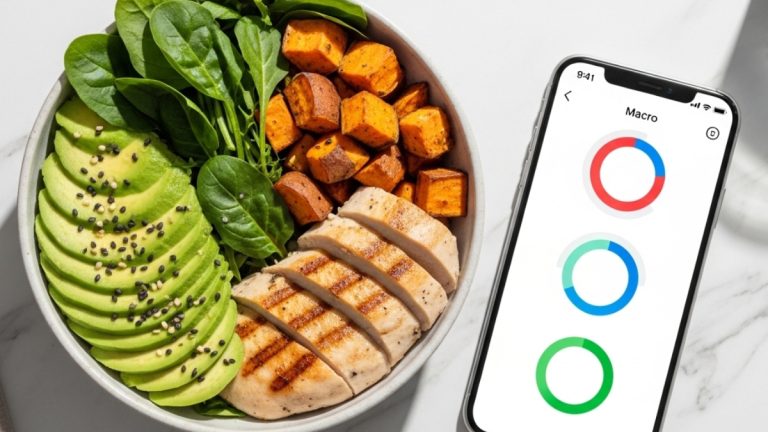
Food choices often feel intuitive until something stops working. Energy fades in the afternoon. Hunger shows up too soon after meals. Training sessions feel harder than they should. These moments usually spark questions about calories and macros, not out of obsession, but out of a desire for stability. Understanding how food fuels the body brings calm to those questions and replaces guesswork with clarity.
Calories measure energy. Macros explain how that energy is delivered. Both matter, but they serve different purposes. Using a macro calculator helps translate meals into something understandable without turning eating into a rigid system. It provides a reference point. From there, decisions feel grounded rather than reactive.
Before numbers make sense, the basics need context. A practical understanding of macronutrients and health frames protein, carbohydrates, and fats as tools that support daily function. This foundation turns tracking into insight rather than pressure.
Movement completes the picture. Walking, workouts, and daily activity all affect energy balance. A calories burned calculator adds perspective to how output fits alongside intake. It is not about compensation. It is about understanding how the body uses fuel across the day.
Over time, these patterns influence body composition. Changes in strength, endurance, and how clothing fits often trace back to consistent habits. This becomes easier to interpret when paired with guidance around body fat percentage, which reflects long-term balance rather than short-term fluctuations.
Digestion and fullness signals shape how sustainable any approach feels. Meals that lack fiber or protein often lead to cravings later. This connection is reinforced by insights on fiber and digestion, a quiet but powerful factor in macro balance.
What Calories Actually Represent
A calorie is simply a unit of energy. It does not judge food quality or health value. Your body uses calories continuously to support breathing, circulation, digestion, temperature regulation, and brain activity. Even complete rest requires energy.
Confusion starts when calories are treated as the only measure that matters. Two meals can contain the same calories yet feel entirely different. One may keep you full for hours. Another may leave you hungry soon after. That difference often comes from macronutrient composition.
Calories answer how much energy is present. Macros explain how that energy behaves. Seeing this distinction helps people stop blaming willpower and start adjusting structure.
Macronutrients Without Simplistic Labels
Macronutrients include protein, carbohydrates, and fats. Each serves a distinct role.
None exists to be feared or eliminated. Health suffers when anyone is consistently missing.
Protein supports muscle repair, immune function, and satiety. It slows digestion and stabilizes appetite. Carbohydrates provide efficient fuel for the brain and muscles. They support focus, mood, and physical performance. Fats assist hormone production and nutrient absorption while adding satisfaction to meals.
Needs vary. A desk-based workday differs from a physically active one. Stress, sleep, and age all influence requirements. This is why fixed ratios rarely suit everyone long-term.
How Calories and Macros Work Together
Calories define the energy range. Macros determine how that energy is distributed. Focusing on calories alone can leave meals unbalanced. Paying attention to macros without awareness of total intake can stall progress.
Together, they provide context. Calories guide direction. Macros shape experience. This combination supports consistency without rigidity.
For example, someone eating enough calories but too little protein may feel hungry despite adequate intake. Another person hitting protein goals but overshooting calories may struggle with weight changes. The relationship matters more than any single number.
Tracking as a Learning Phase
Tracking is often misunderstood as a lifelong requirement. In reality, it works best as a short learning phase. It reveals patterns that memory often misses. Portion sizes, protein gaps, and snack habits become visible within days.
Once awareness is built, many people stop tracking. They rely on routine meals and hunger cues instead. The value comes from understanding, not constant monitoring.
If tracking increases anxiety, it loses usefulness. The goal is clarity, not control.
Common Macro Approaches in Real Life
There is no single ideal macro split. However, certain patterns appear frequently depending on goals. These serve as flexible references rather than strict rules.
- Balanced intake with moderate protein, steady carbohydrates, and sufficient fats for daily energy.
- Higher protein emphasis for strength training, recovery, or muscle retention.
- Higher carbohydrate intake for endurance activities or frequent movement.
- Higher fat intake for appetite management or personal preference.
Each approach can work when food quality remains high and intake matches lifestyle.
Adjustment should respond to energy, digestion, and recovery signals.
Food Quality and Micronutrients Still Count
Macros describe structure. They do not replace nutrition quality. Whole foods provide fiber, vitamins, minerals, and protective compounds that macros alone cannot capture.
Highly processed foods may fit macro targets but often lack the elements that support digestion and long-term health. This mismatch explains why some diets feel unsatisfying despite meeting numbers.
Consistency with nourishing foods supports both physical health and a calmer relationship with eating.
Activity, Recovery, and Energy Balance
Movement influences energy needs, but not always dramatically. Short intense workouts burn fewer calories than many expect. Daily movement, such as walking, standing, and chores, often adds up more than scheduled exercise.
Recovery matters just as much. Poor sleep and high stress increase hunger and disrupt appetite regulation. Ignoring these factors often leads to frustration when numbers alone fail to explain how someone feels.
Macros work best when paired with adequate rest and hydration. Fueling the body includes supporting recovery.
Using Numbers as Feedback Signals
Numbers work best as feedback. They reflect patterns rather than dictate behavior.
Low energy, poor recovery, or frequent cravings often signal a need for adjustment.
Rigid targets tend to backfire. Flexible ranges allow room for social meals, travel, and stress. This flexibility supports long-term adherence.
Tracking should feel supportive. If it stops doing that, stepping back is a valid choice.
A Simple Macro Reference Table
| Macro | Primary Function | Food Examples |
|---|---|---|
| Protein | Repair and fullness | Fish, beans, eggs |
| Carbohydrates | Energy supply | Grains, fruit, and vegetables |
| Fats | Hormones and absorption | Olive oil, nuts, seeds |
Health Context Beyond Tracking
Macros influence more than weight. They affect blood sugar stability, hormone balance, and muscle maintenance. Protein supports aging muscles. Carbohydrates support cognitive function. Fats support long-term hormonal health.
This broader view aligns with guidance from the World Health Organization, which emphasizes balanced intake and sustainable patterns over extremes. Long-term health favors consistency over restriction.
Building Confidence With Everyday Meals
Understanding calories and macros does not require strict discipline. It requires awareness. When food choices are informed, stress decreases. Meals feel intentional rather than reactive.
Over time, numbers fade into the background. Habits take their place.
Protein appears naturally. Carbohydrates align with activity. Fats support satisfaction. This rhythm builds trust with food again.
Macro basics offer structure without rigidity. They help connect daily choices with long-term outcomes. That connection is what keeps nutrition grounded and human.
Quick Summary
- Calories measure energy, macros explain how it is used
- Protein, carbohydrates, and fats each support vital functions
- Tracking works best as a learning tool
- Food quality and lifestyle context remain essential